


 Holostik won 02 FIPSA Responsible Packaging Awards 2026 in the Commercial Innovation category.
 Holostik won the "Safety & Well-being Excellence" award in the Company Category at the Print Week Women To Watch Awards 2026.
Holostik won 02 FIPSA Responsible Packaging Awards 2026 in the Commercial Innovation category.
Holostik won the "Safety & Well-being Excellence" award in the Company Category at the Print Week Women To Watch Awards 2026.
Holostik won the "Safety & Well-being Excellence" award in the Company Category at the Print Week Women To Watch Awards 2026.
Holostik won 02 FIPSA Responsible Packaging Awards 2026 in the Commercial Innovation category.
Holostik won the "Safety & Well-being Excellence" award in the Company Category at the Print Week Women To Watch Awards 2026.
Saving Lives is the Reason We Exist!
Brand Protection is the Reason We Exist!
Why Choose Holostik?
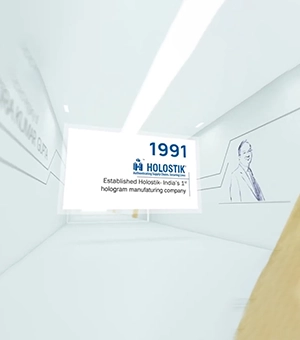
30+ Years of Legacy
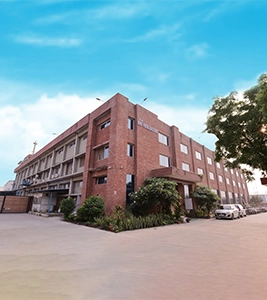
Spread Over 40,000+ sqm Area
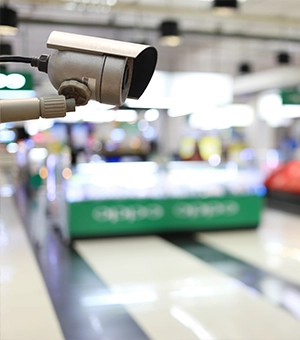
24/7 Manufacturing Facility Surveillance
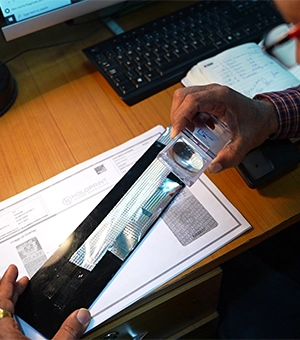
Only DSIR Approved R&D Lab in the Sector
1st CMMI L-3 Certified Anti-Counterfeiting Company
Founding member ASPA (Formerly HoMAI)
Trusted by 10,000+ Brands

















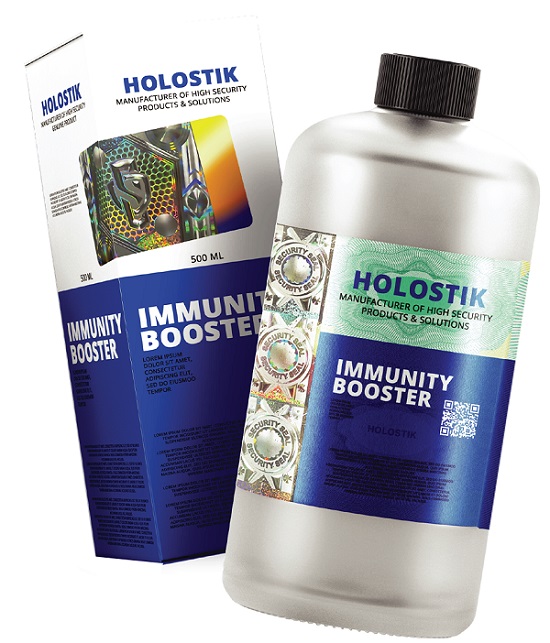
Optashield Technology
Nano-Optical Imaging
Variable QR Code
Guilloche Pattern
We Secure Your Brand from Counterfeits
Glimpse of Our Offerings
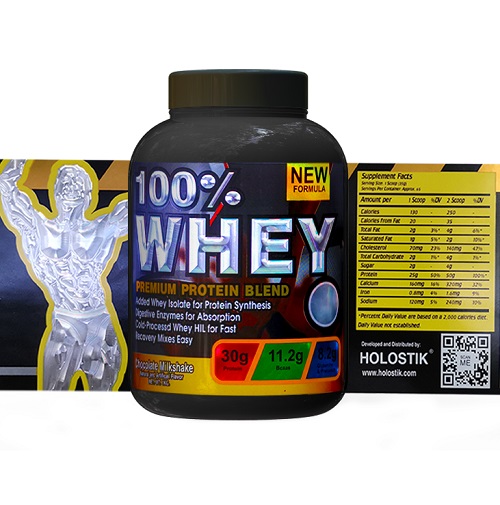
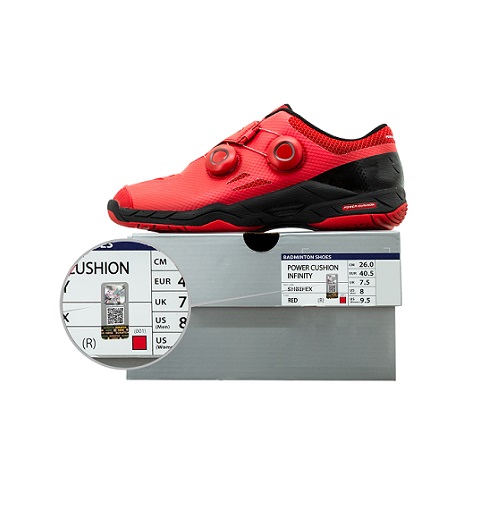
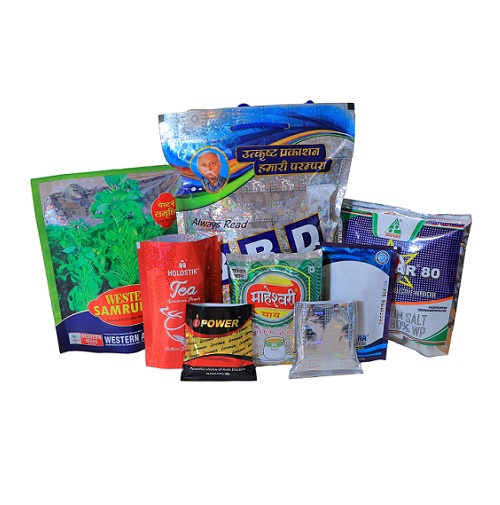
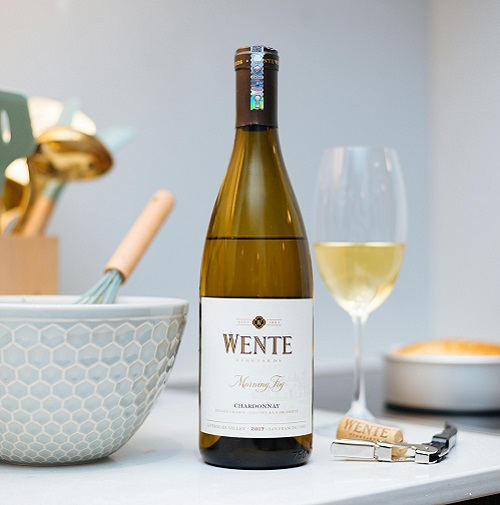
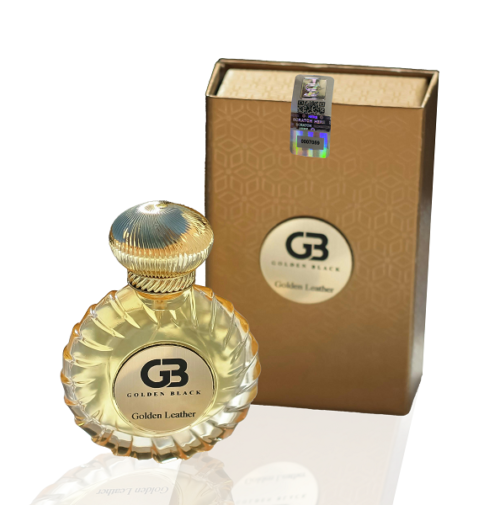
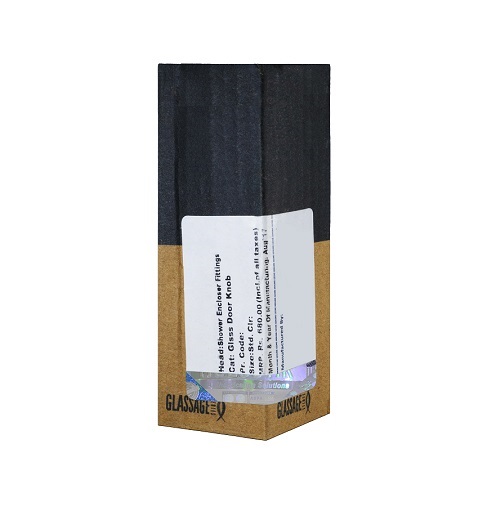
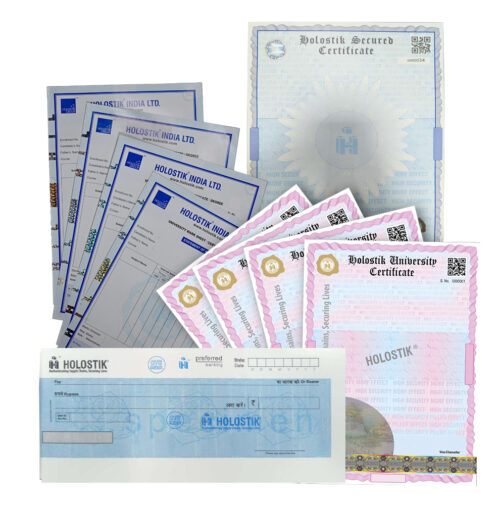
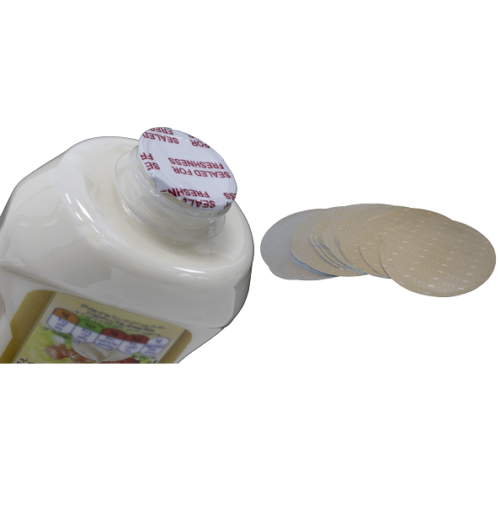
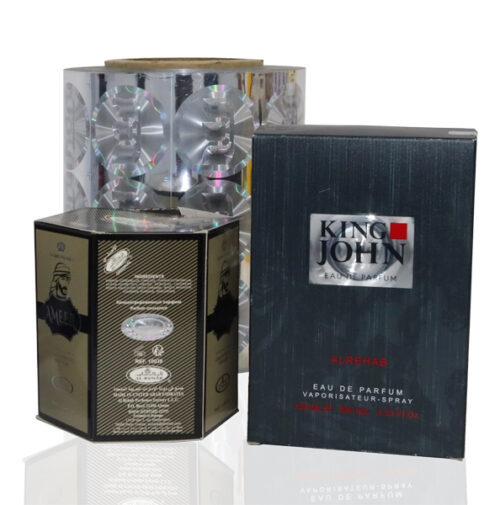
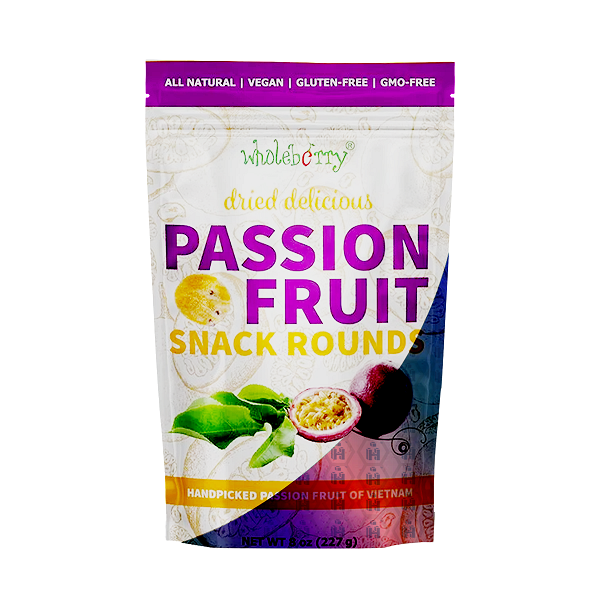

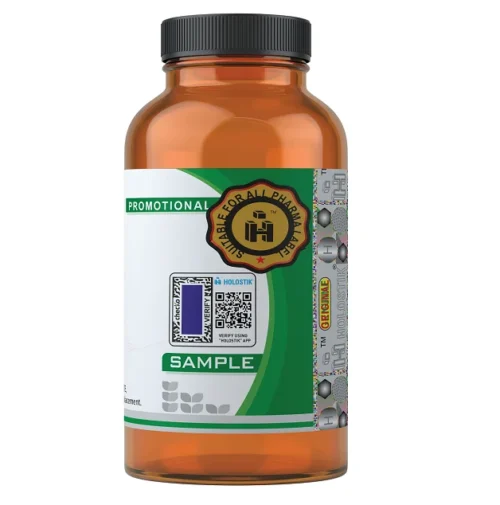
Tailored to Your Industry




Our Awards




Our manufacturing capabilities are reinforced with over 03 decades of R&D. We spearheaded the introduction of anti-counterfeiting solutions in India and continue to be industry leaders.
Certifications and Accreditations

What Our Clients Say
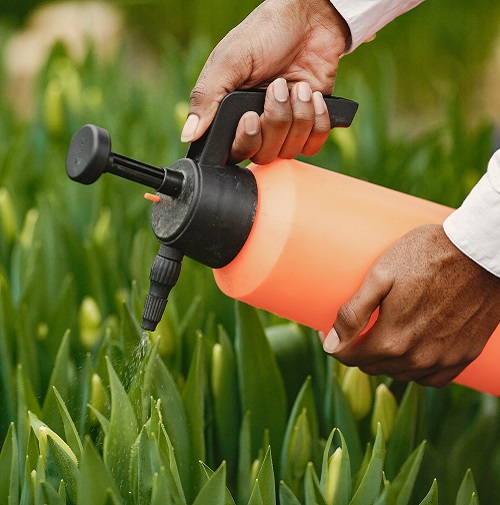
Stretchable Labels for Agro Products
These labels have proven to be exceptionally durable in harsh field conditions. The tensile strength and weather resistance are exactly what we needed for our seed packaging.
Security Labels for FMCG Products
Simple, clean, and effective. The labels are of high quality, and the adhesive tack has been reliable across various surfaces. We appreciate the quick turnaround time.
Security Holograms for Pharma Products
The holograms add a premium look to our paint packaging and enhance brand security. The color shift and dynamic effects are impressive.
Security Labels for FMCG Products
We needed labels that could withstand varying environmental conditions. Holostik delivered labels with excellent thermal stability and chemical resistance. Their service is top-notch.
AS SEEN ON


ET NOW Exclusive:
Discover Holostik’s journey in an exclusive interview with our JMDs, Mr. Ankit Gupta and Mr. Shobhit Gupta. They share insights on our innovative anti-counterfeiting solutions aimed at authenticating supply chains, protecting brands & saving lives . Watch the full episode now!

Latest Articles

Frequently Asked Questions
1. What does Holostik do as a leading hologram and security label manufacturer in India?
Holostik is one of India’s leading hologram sticker manufacturers, offering high-security holograms, tamper-proof security labels, holographic films, shrink sleeves, hot stamping foils, and customised packaging solutions. We also provide advanced digital security, including product authentication, track & trace, warranty management, and loyalty solutions through our SureAssure app, making us a complete physical + digital anti-counterfeiting partner.
2. Which industries use Holostik’s hologram stickers and security labels?
Our hologram stickers and security label stickers are trusted across pharmaceuticals, FMCG, automotive parts, agrochemicals, electronics, textiles, liquor, and government sectors. These industries use Holostik for brand protection, tamper evidence, authentication, and supply chain visibility powered by our SureAssure digital platform.
3. What types of holograms and security labels does Holostik offer?
We offer 2D/3D holograms, hot stamping foil holograms, tamper-evident labels, security barcode labels, VOID labels, destructible labels, and customised OVD-based solutions. Each can be integrated with QR codes, serialisation, or digital verification using the SureAssure app for enhanced product security.
4. Do you manufacture holographic films and shrink sleeves?
Yes. We produce a wide range of holographic films (BOPP, PET, cast & cure, reflective, transparent, cold lamination), holographic lamination films, and holographic shrink sleeves for high-impact branding and security. These are used for mono carton packaging, flexible packaging, and premium product decoration.
5. What is SureAssure and how does it help in product authentication?
SureAssure is Holostik’s digital authentication and customer engagement platform. With a simple QR scan, customers can instantly verify whether a product is genuine. The system also supports warranty activation, reward management, customer feedback, and post-purchase engagement, making it a powerful digital extension to our physical security features.
6. Do you offer Track & Trace and supply chain management solutions?
Yes. Holostik provides complete track & trace solutions including serialisation, aggregation, and real-time supply chain visibility. Using the SureAssure app and dashboard, brands can monitor product movement, reduce pilferage, detect counterfeits, and improve distribution efficiency.
7. Can Holostik help with inventory, warranty, and reward management?
Absolutely. Our SureAssure platform supports:
- Inventory management
- Warranty management
- Reward & loyalty programs
- Retailer and influencer engagement
Brands can automate post-purchase processes and enhance customer trust and repeat sales.
8. Do you provide customised packaging security solutions for mono cartons and pouches?
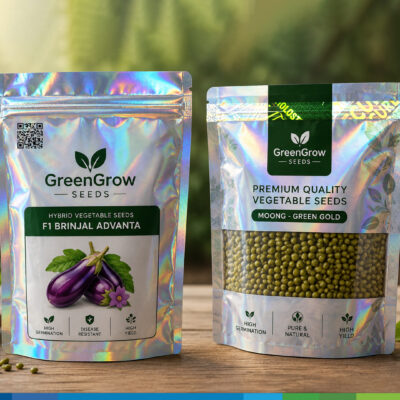
Yes. We offer holographic stand-up pouches, holographic laminates, holographic film rolls, and holographic mono carton packaging solutions. These can be integrated with digital authentication and track & trace features to create a complete anti-counterfeit ecosystem.
9. How does Holostik ensure protection against counterfeiting?
We combine physical security (holograms, security labels, shrink sleeves, hot stamping foils) with digital security (SureAssure-based verification, serialisation, traceability). This phygital approach ensures 100% product authenticity, reduces duplication, increases sales visibility, and strengthens brand loyalty.
10. How can I get a customised anti-counterfeiting solution for my brand?
You can contact us for a free consultation via call +91-9905-124-124 or email marcom@holostik.com
Our experts will study your product, supply chain, duplication risk level, and market challenges to design a customised mix of holograms, security labels, holographic films, and digital solutions like SureAssure, track & trace, warranty and reward management. We deliver end-to-end implementation and long-term support.